
low iron glass panels
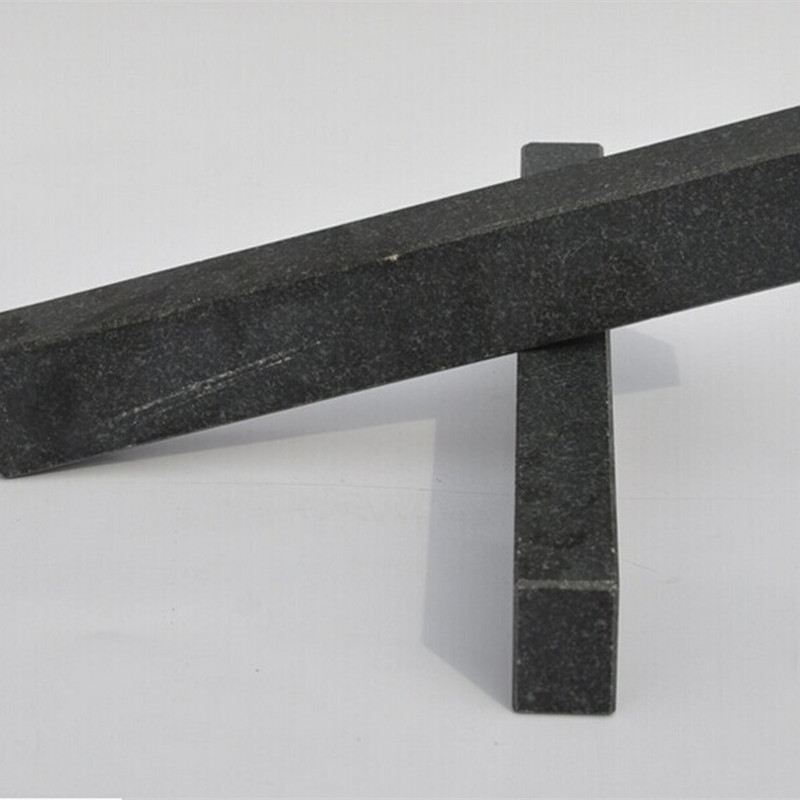
The Significance of Large Granite Blocks in Architecture and Landscape Design Granite, a durable and aesthetically pleasing natural stone, has been a favored material in construction and design for centuries. Among its various forms, large granite blocks stand out for their versatility, strength, and beauty. This article explores the significance of large granite blocks in both architecture and landscape design, emphasizing their historical, functional, and artistic value. Historical Context Historically, large granite blocks have been utilized in some of the most iconic structures around the world. The Great Pyramids of Giza and the temples of ancient Egypt are compelling examples of the use of massive stone blocks that have withstood the test of time. Similarly, the Romans leveraged granite in their monumental architecture, constructing enduring structures like aqueducts and public baths. This historical foundation highlights granite's reputation for longevity and resilience, characteristics that continue to make it a preferred material in modern construction. Architectural Applications In contemporary architecture, large granite blocks serve various functions. They are commonly used in building facades, where their substantial size adds gravity and presence to a structure. The smooth surfaces of polished granite can reflect light beautifully, enhancing the visual appeal of office buildings, museums, and universities. Granite’s thermal mass properties also make it an excellent choice for energy-efficient buildings . It can absorb heat during the day and release it slowly at night, helping to regulate indoor temperatures. Furthermore, the stone is resistant to weathering, making it suitable for exterior applications in various climates. Architects often choose large granite blocks for their structural integrity and their ability to maintain aesthetics over time. Landscape Design large granite blocks In landscape design, large granite blocks play a vital role in creating stunning outdoor spaces. They can be utilized in various ways, from retaining walls to seating areas, and even as decorative features. When used in gardens, these blocks can create a sense of permanence and solidity, grounding the design in nature. Granite boulders are particularly popular in naturalistic designs. They can be strategically placed to mimic the look of natural rock formations, enhancing the landscape's organic feel. Additionally, granite is often chosen for pathways and steps; its non-slip surface provides safety while maintaining an earthy aesthetic. By integrating large granite blocks into a landscape, designers can create focal points that attract the eye and draw individuals into the space. Artistic Expression Beyond their functional uses, large granite blocks offer unique opportunities for artistic expression. Sculpture is one of the most traditional art forms involving granite, with artists carving massive blocks into intricate forms. This practice can be observed in many public spaces, where monumental sculptures made of granite provide both beauty and contemplation for viewers. Moreover, large granite blocks can be used creatively in site-specific installations. Contemporary artists often use these massive stones in conceptual works that engage with their environment, history, or cultural significance. These installations can provoke thought and dialogue about the relationship between human beings and nature or the stories embedded in geological materials. Conclusion In conclusion, large granite blocks embody a rich blend of historical significance, functional versatility, and artistic potential. Their durability ensures that they can withstand the ravages of time, while their natural beauty enhances both architectural designs and landscape settings. As humanity continues to innovate and explore new uses for natural stone, large granite blocks will undoubtedly remain integral to the conversation surrounding building materials and design aesthetics. Whether in monumental architecture, intimate gardens, or bold public art, granite blocks are a testament to the enduring appeal of nature’s artistry.
about
low iron glass panels
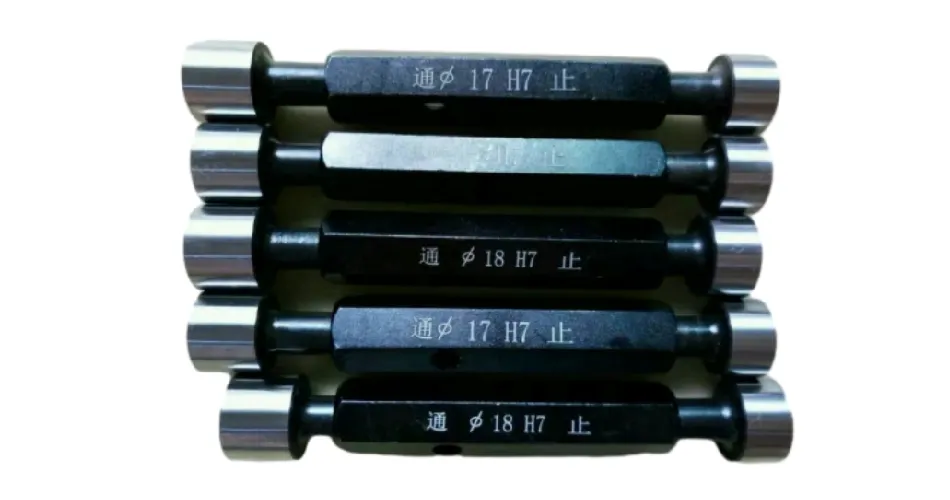
Calibrated Pin Gauges The Precision Tool for Dimensional Accuracy in Manufacturing In the realm of precision engineering and manufacturing, calibrated pin gauges occupy a pivotal position as an indispensable tool for ensuring dimensional accuracy. These seemingly simple yet meticulously crafted instruments play a crucial role in quality control processes by providing a reliable means of verifying and measuring internal dimensions such as holes, slots, and recesses. This article delves into the significance, construction, usage, and maintenance of calibrated pin gauges, underscoring their importance in maintaining the highest standards of manufacturing excellence. **Understanding Calibrated Pin Gauges** Calibrated pin gauges, also known as go/no-go gauges or simply pin gauges, are cylindrical or tapered metal rods, meticulously ground to precise diameters with tolerances as tight as a few microns. They serve as a reference standard for checking the size and straightness of drilled or machined holes. Each gauge is precisely calibrated against national or international measurement standards to guarantee absolute dimensional accuracy. The primary advantage of pin gauges lies in their simplicity. They come in sets, with each pin representing a specific dimension. In a 'go' gauge, the pin should easily slide into the hole, indicating that the hole is within the acceptable lower limit of the tolerance range. Conversely, a 'no-go' gauge should not enter the hole or do so only partially, signifying that the dimension exceeds the upper tolerance limit. This binary system provides an immediate pass/fail assessment, making it a swift and straightforward method for quality inspection. **Construction and Material** Calibrated pin gauges are typically fabricated from high-grade steel, chosen for its hardness, wear resistance, and stability under varying temperatures. Chromium-plating is often applied to enhance corrosion resistance and improve surface finish, ensuring consistent and reliable measurements over time. The ends of the pins may feature a slightly rounded tip to prevent damage to the part being inspected and facilitate smooth insertion The ends of the pins may feature a slightly rounded tip to prevent damage to the part being inspected and facilitate smooth insertion The ends of the pins may feature a slightly rounded tip to prevent damage to the part being inspected and facilitate smooth insertion The ends of the pins may feature a slightly rounded tip to prevent damage to the part being inspected and facilitate smooth insertion calibrated pin gauges . **Applications Across Industries** From aerospace to automotive, medical devices to microelectronics, calibrated pin gauges find application wherever micron-level accuracy is paramount. In the automotive industry, they ensure the correct fitment of engine components; in aerospace, they verify the precision of aircraft parts where safety is critical. Medical device manufacturers rely on them to maintain strict tolerances in implants and surgical instruments, while in semiconductor manufacturing, they contribute to the meticulous fabrication of minuscule components. **Maintenance and Calibration** Maintaining the accuracy of pin gauges is crucial to their effectiveness. Regular cleaning with a soft cloth and appropriate solvent prevents contamination and preserves surface integrity. Storage in a controlled environment, typically in a humidity-controlled cabinet, safeguards against dimensional changes due to temperature fluctuations. Periodic recalibration by accredited laboratories is mandatory to verify and restore the gauges' dimensional conformity, typically annually or after a set number of uses, depending on usage frequency and industry standards. **Conclusion** Calibrated pin gauges embody the essence of precision in modern manufacturing. Their role extends beyond mere measurement tools; they are guardians of quality, ensuring that products meet stringent tolerances and perform as intended. As technology advances and manufacturing tolerances become ever tighter, the reliance on these meticulously crafted instruments will only continue to grow. By embracing best practices in their use and maintenance, industries can harness the full potential of calibrated pin gauges, driving advancements in product quality and reliability. In the quest for perfection, these humble yet highly effective tools stand as a testament to human ingenuity and the relentless pursuit of precision.
-

High quality industrial productsagement

High quality industrial products
View Details -

Meet the diverse needs of customers

Meet the diverse needs of customers
View Details -

Strict quality control

Strict quality control
View Details -

Top raw materials

Top raw materials
View Details -

Trusted supplier

Trusted supplier
View Details
Our application


news and information

Using Brackets to Assemble Wooden Structures and Enhance Your DIY Projects Effectively
Embracing Nature The Art of Joining Wood with Brackets In the world of woodworking, there is a disti

welding fab table for sale
The Rise in Popularity of Welding and Fabrication Tables for Sale In recent years, the demand for we
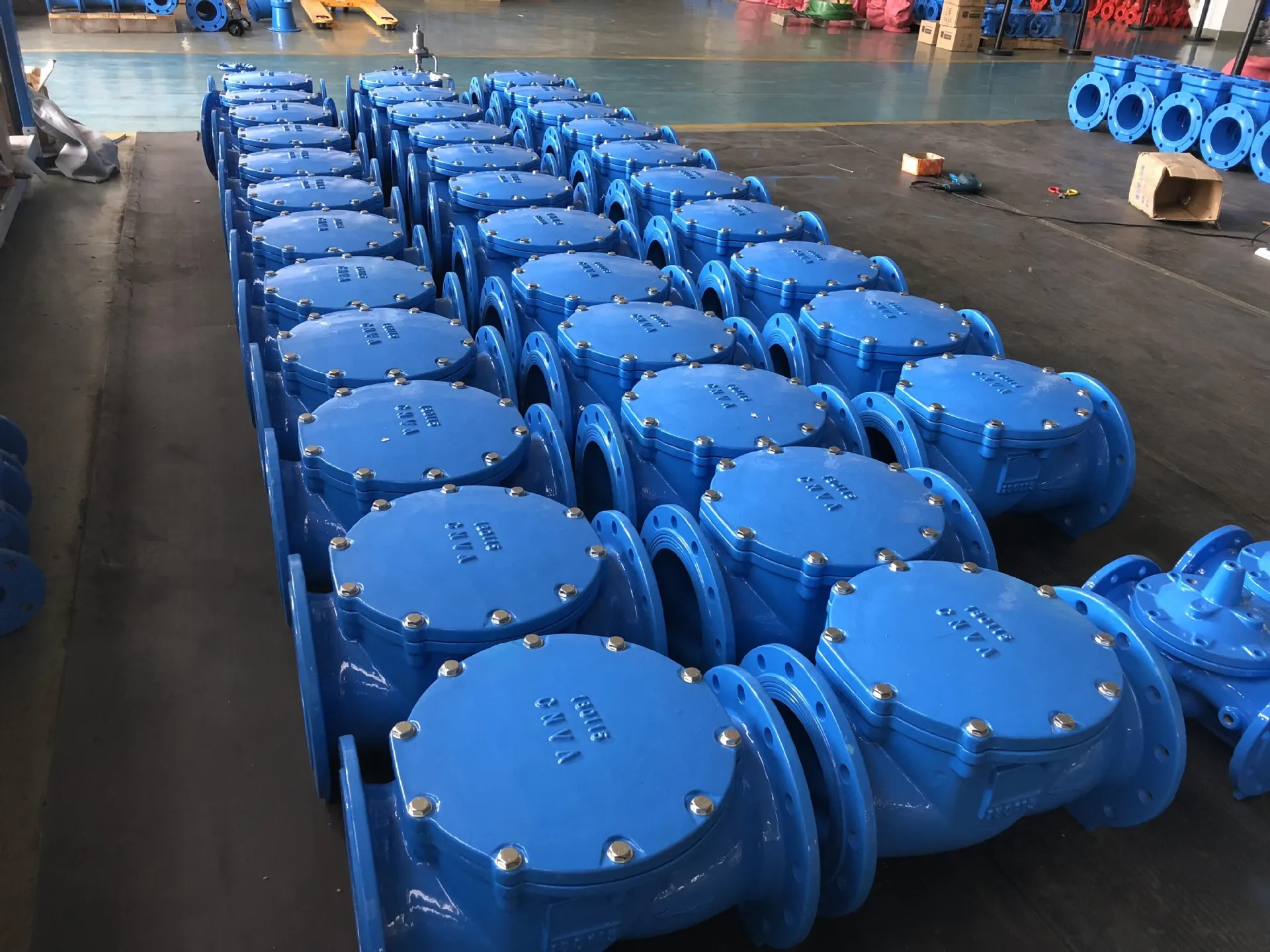
Y Type Water Strainer for Efficient Filtration and Flow Management Solutions
Understanding Y-Type Water Strainers A Key Component for Fluid Management Water strainers are critic
 English